
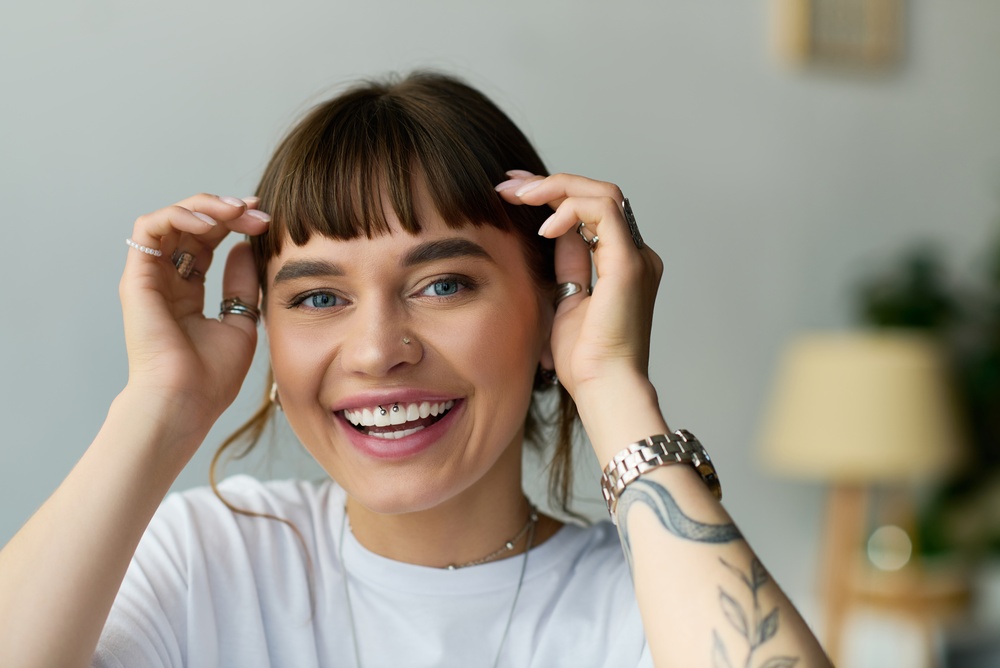
So you’re mid-scroll, you’ve seen approximately 400 TikToks of women swishing curtain bangs in slow motion, and now you’re standing in front of your bathroom mirror gripping a pair of kitchen scissors like it’s a life decision. (It kind of is.) Before you commit to a fringe, let’s talk about how to know if bangs suit you — because the answer isn’t “everyone looks amazing in bangs” (a lie the internet loves to tell) or “bangs are too risky, don’t even try” (also a lie, just a more cowardly one). The truth lives somewhere in the middle, and it’s actually pretty easy to figure out…
First, Let’s Kill the Myth
Bangs are not a personality trait. They’re not a “brave girl” move or a sign you’re having a breakdown (okay, sometimes they are, but that’s a different article). They’re just hair. Strategic, face-framing, occasionally life-changing hair.
The real question of how to know if bangs suit you comes down to a handful of factors: your face shape, your hair texture, your lifestyle, and — this one’s underrated — your patience level for maintenance.
Step 1: Study Your Face Shape (Not Your Feelings About It)
This is the big one. Bangs interact directly with the proportions of your face, which is why the same fringe can look stunning on your best friend and slightly off on you, despite you both having great hair.
- Round or square faces tend to love longer, side-swept bangs that add angles and elongate things.
- Heart-shaped faces usually do well with wispy, textured bangs that soften a pointed chin.
- Oval faces can basically wear anything, which is either delightful or infuriating depending on your face shape.
- Long faces benefit from full, blunt bangs that visually shorten the forehead.
If this is news to you, it’s worth doing a deeper dive — our guide to the best hairstyles for different face shapes breaks down exactly which cuts flatter which features, and it pairs perfectly with the bangs decision.
Step 2: Be Honest About Your Hair Texture
Curly hair, fine hair, and thick hair all wear bangs differently, and pretending otherwise is how people end up crying to their stylist three weeks later.
- Fine hair can go sparse-looking with heavy, blunt bangs. Wispy or textured styles usually hold up better.
- Thick hair has the volume to pull off a full fringe, but it may need more frequent trims to keep from turning into a curtain.
- Curly or coily hair can absolutely rock bangs (see: curly fringes having a real moment), but shrinkage means you’ll want to cut them longer than you think you need.
This is another piece of the how to know if bangs suit you puzzle that gets skipped constantly. Texture matters just as much as shape, sometimes more.
Step 3: Consider Your Actual Lifestyle, Not Your Pinterest Board

Here’s the unglamorous truth: bangs are a commitment, not a vibe. They need regular trims (every 3-4 weeks for blunt styles), they react to humidity like they have personal opinions, and they require a little styling most mornings.
Ask yourself:
- Do you already own — or are you willing to buy — a small round brush?
- Are you okay touching up your bangs between salon visits?
- Do you sweat a lot at the gym or live somewhere humid?
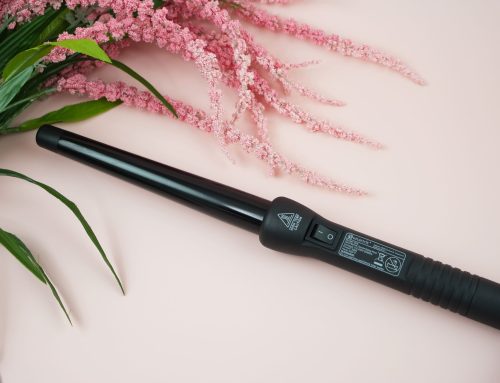
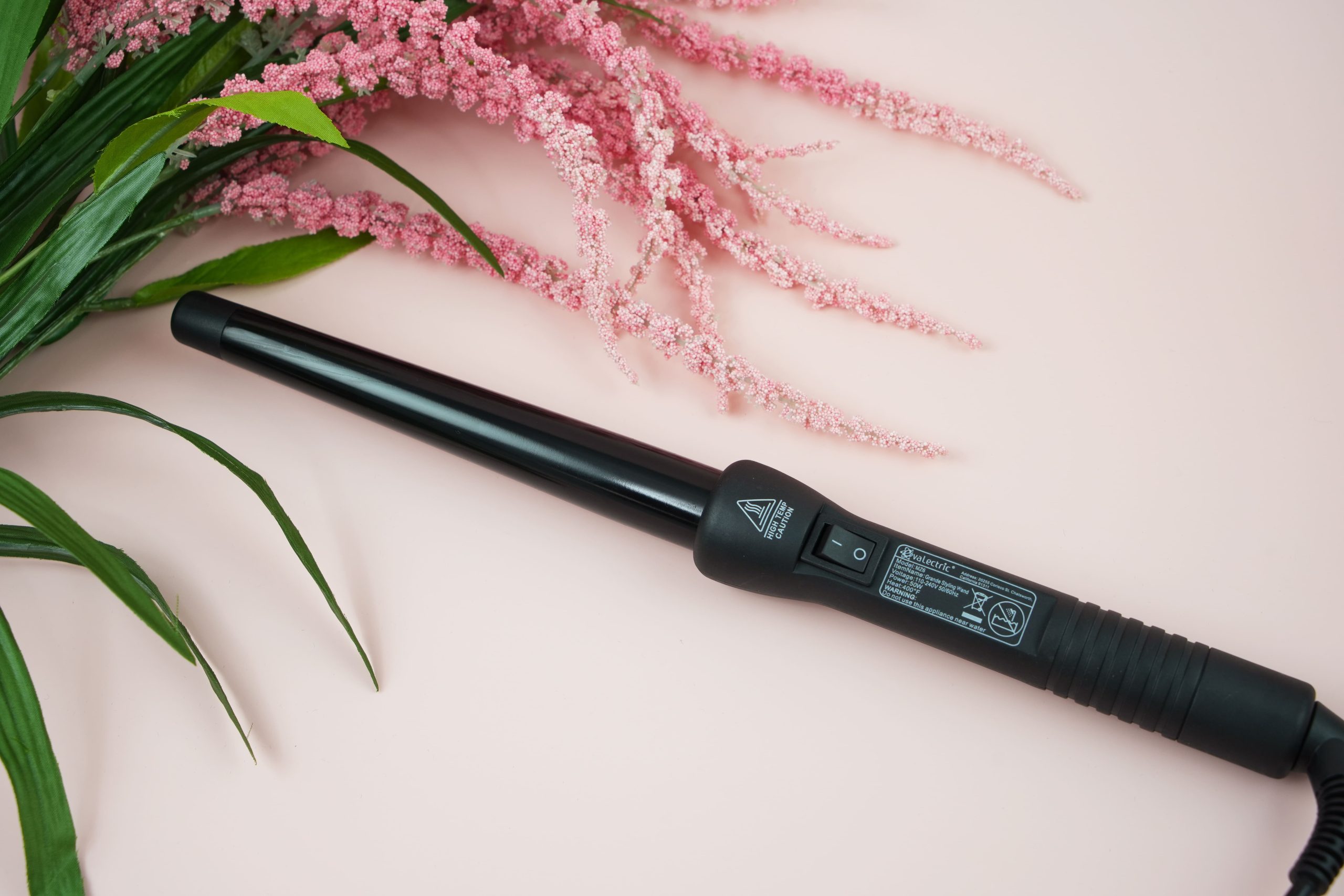
If bangs need a bit of daily coaxing to look their best, a good styling tool makes a real difference. We put one through its paces in our Evalectric Grande styling wand review, which is worth a look if smoothing or curling your fringe is part of the plan.
Step 4: Think About What Bangs Actually Change
Bangs aren’t just decoration — they shift how your whole face reads. They can:
- Draw attention to your eyes
- Soften a strong forehead or hairline
- Make you look younger (or, done wrong, add years)
That last point matters more than people admit. If you’re worried about a cut that ages you rather than refreshes you, it’s worth reading our list of fashion mistakes that age you instantly — a few of the same “flattering vs. aging” principles apply directly to fringe choices.
Step 5: Do a Low-Commitment Trial Run
You don’t have to go straight to the salon chair. Try:
- Clip-in bangs from a beauty supply store (cheap, reversible, oddly satisfying)
- A face-mapping app or filter to preview the shape
- Asking your stylist to cut “curtain” or “money piece” pieces first instead of full bangs — a softer way to test the waters
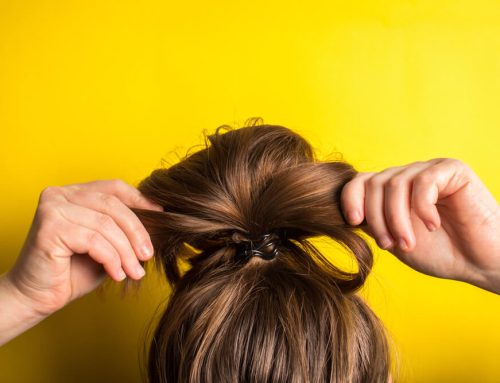
If you decide you love the framed-face look even without committing to a full fringe, styles like a face-framing messy bun can offer a similar effect.
Step 6: Plan for the Maintenance (Because Nobody Warns You)
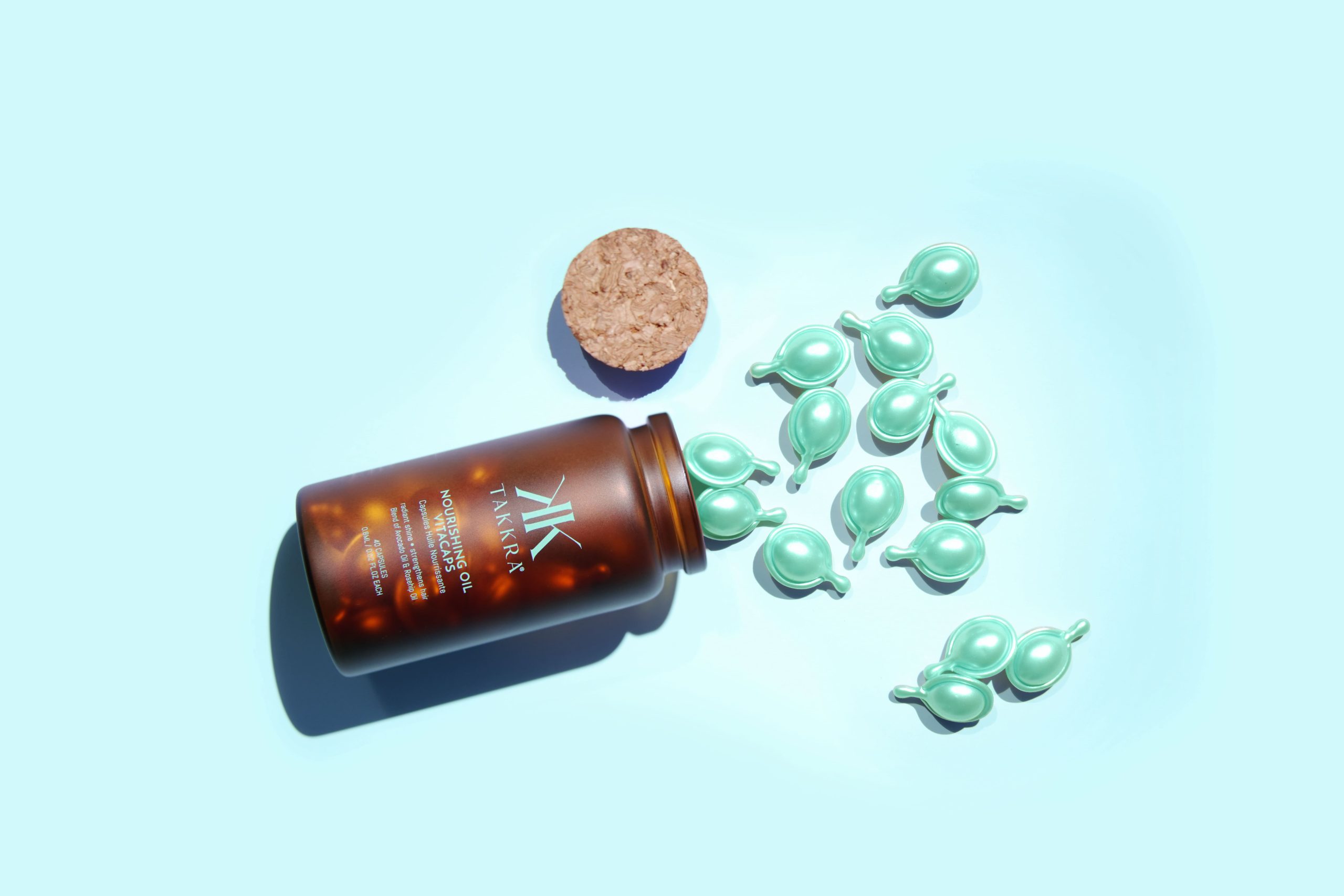
Whatever you decide, healthy hair makes any bangs look better. Split, dry, or over-processed ends show up fast on a fringe since it’s front and center, literally.
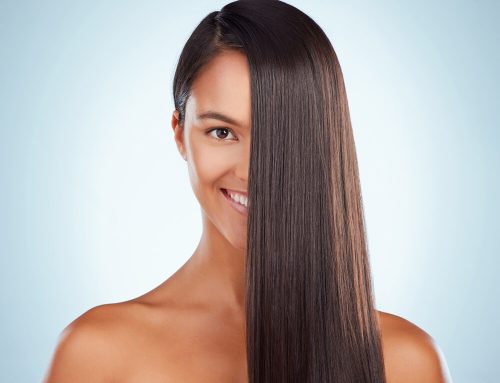
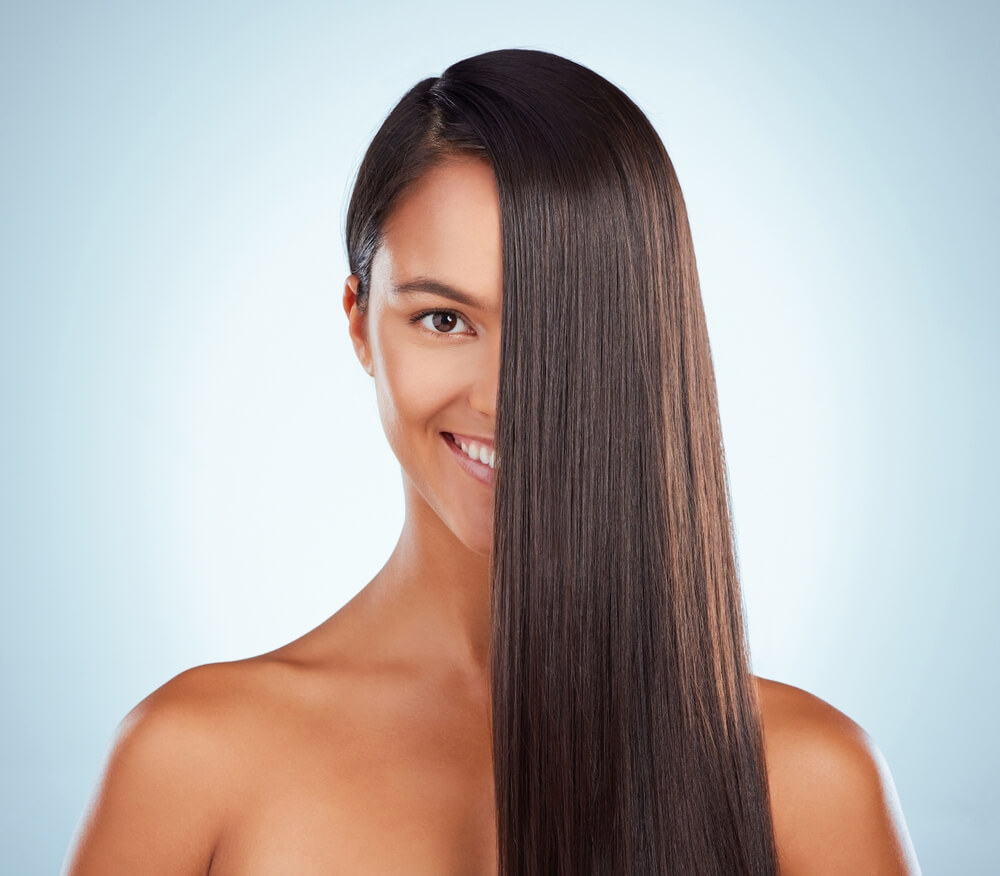
Building a solid routine now will pay off later. If your current haircare situation is more “hope for the best” than “strategy,” our breakdown of the best haircare routine for shinier, healthier hair in 2026 is a good place to start before you make any big cuts.
The Bottom Line
There’s no universal yes or no here, and honestly, that’s good news. Knowing how to know if bangs suit you isn’t about finding a magic rule — it’s about matching the cut to your face shape, your texture, and how much daily fuss you’re realistically willing to put in.
If you check those boxes and you’re still curious, that’s usually a good sign. Bring reference photos to your stylist, be specific about upkeep, and remember: hair grows back. Worst case, you’ve got a great excuse to try a new bun.

Leave A Comment