
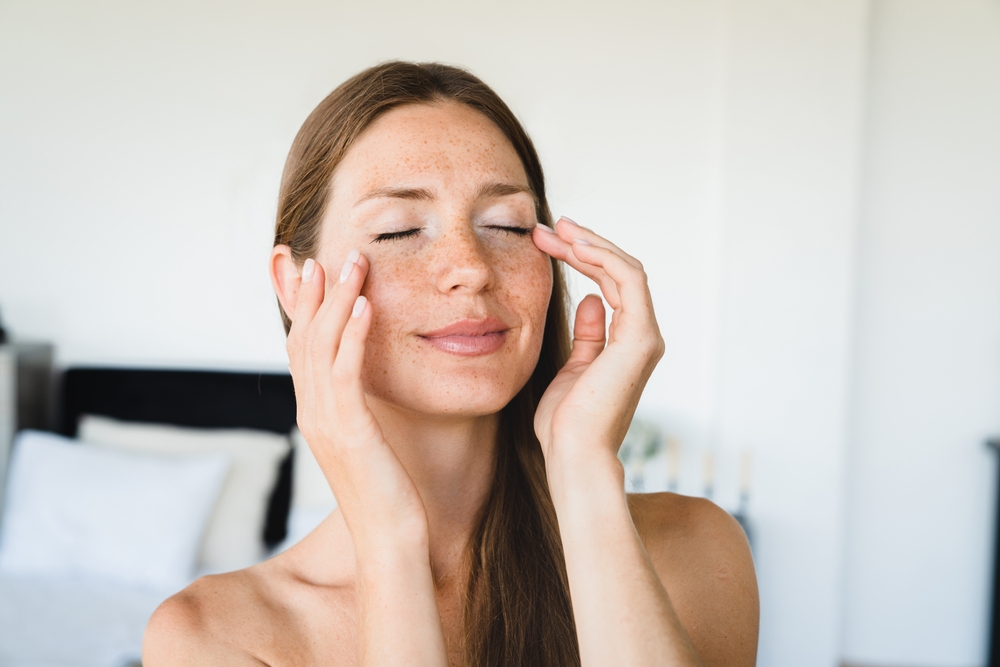
Somewhere between glass skin retiring and skin cycling getting a little exhausting, a new phrase crawled out of the group chat and onto every serum label in sight: skin resilience. It’s on packaging. It’s in influencer captions. And it’s probably in at least one ad that interrupted your last TikTok scroll.
But ask five people what it means and you’ll get five different answers, ranging from “thick skin, emotionally” to “basically SPF” to a confident shrug. So let’s actually unpack it — no jargon, no fluff, just the real deal on skin resilience skincare and whether it deserves the hype or the side-eye.
So, What is Skin Resilience?
In the simplest terms: skin resilience is your skin’s ability to bounce back. Not emotionally (though, same) — physically. It’s how well your skin recovers after stress: weather changes, late nights, over-exfoliating on a Tuesday you regret by Wednesday, pollution, air travel, or that one retinoid you introduced too fast.
Resilient skin doesn’t mean bulletproof skin. It means skin that recalibrates quickly instead of staying irritated, dull, or reactive for days. Think of it less like armor and more like a really good shock absorber.
Why is This Suddenly Everywhere?
A few things collided at once. Beauty routines got more aggressive (hello, 10-step acid layering), skin barrier talk went mainstream, and people got tired of routines that made their skin look good short-term but feel worse long-term. The industry is genuinely leaning into tech-forward formulation now, and resilience-focused claims are a huge part of it.
Basically, the pendulum swung from “more actives, more often” to “actives, but make it sustainable.” Skin resilience skincare is the industry’s way of saying: let’s stop wrecking the barrier just to fix it again next week.
The Skin Barrier is the Real MVP Here
You can’t talk about resilience without talking about the barrier — that outermost layer standing between your face and, well, everything. A compromised barrier shows up as tightness, flaking, redness, or that stingy feeling when you apply literally anything.
This is exactly why the cleanser conversation matters so much. A harsh, stripping cleanse can undo an otherwise great routine before it even starts, which is something we dig into in our piece on whether luxury cleansers are actually worth the splurge. Resilience starts at step one, not step seven.
Skin Resilience vs. Anti-Aging: A Whole Vibe Shift
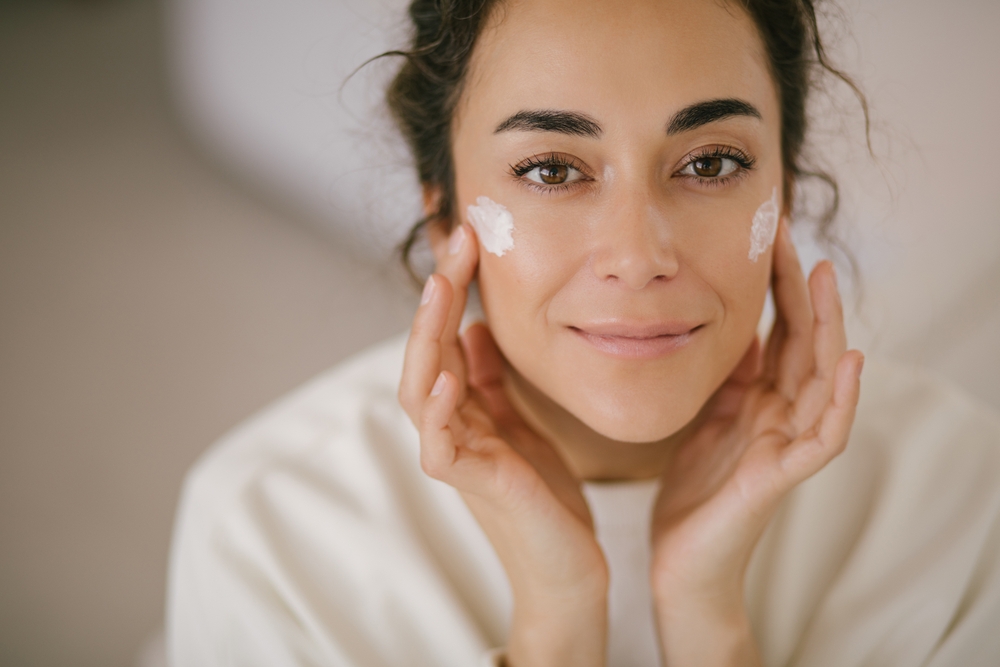
“Anti-aging” implied a fight — against time, against your own face, against the concept of a Tuesday. Skin resilience skincare flips the framing entirely: instead of fighting your skin, you’re supporting it so it can do its job better.
That mindset shift is showing up everywhere, including in how brands talk about concerns like uneven tone. Our breakdown of dark spots and hyperpigmentation trends touches on this exact pivot — from harsh correction to supported, steady improvement over time.
What Building Resilience Actually Looks Like
Here’s the truth: resilience isn’t one product. It’s a handful of boring-but-effective habits stacked together.
- Don’t skip moisture. A compromised barrier can’t bounce back if it’s dehydrated.
- Introduce actives slowly. One new ingredient at a time, always.
- Prioritize consistency over intensity. A gentle routine done daily beats an aggressive one done sporadically.
- Protect before you correct. SPF and barrier support come before brightening or resurfacing.
- Listen to flare-ups. Redness or stinging is data, not something to push through.
The Ingredients Actually Doing the Work
Formulators didn’t just rename old products — some genuinely reformulated around resilience. Ceramides, niacinamide, panthenol, and barrier-supporting lipids are the unsung heroes here, quietly doing more than any headline-grabbing acid ever could.
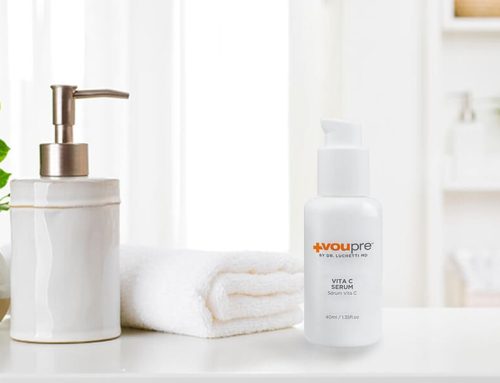
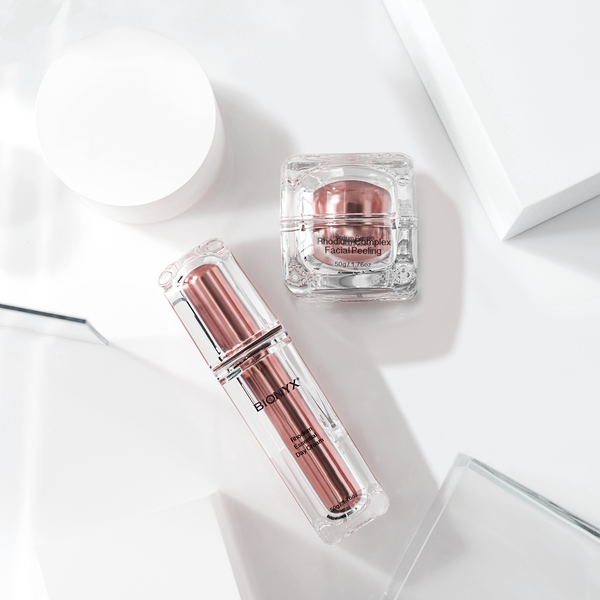
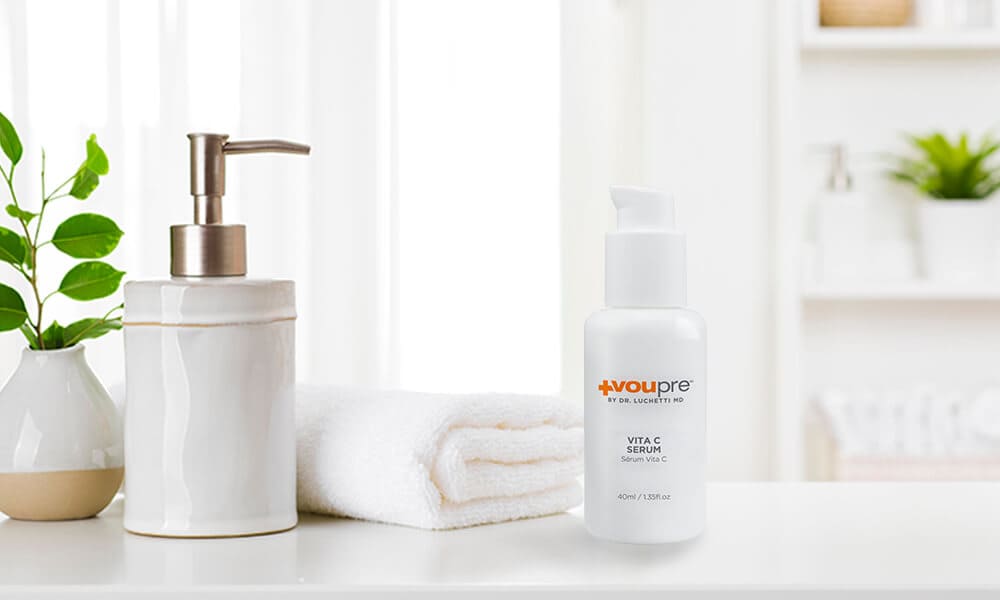
We’ve seen this play out in real product testing, too. Take our recent look at Bionyx and how it handles combination skin — a lot of its formulation logic is straight-up resilience-first thinking, prioritizing balance over shock value. Same goes for the ingredient philosophy behind VouPre’s approach to formula and performance, which leans supportive rather than aggressive.
Where Tech and Skin Resilience Skincare Collide
Here’s where it gets genuinely interesting: AI-driven skin analysis tools are increasingly trained to flag resilience markers — redness recovery time, hydration retention, barrier stress — rather than just wrinkles or spots.
Translation: the “glow” scanners in stores aren’t just vanity metrics anymore. They’re increasingly built around how well your skin handles stress, not just how it looks under ring lights.
Signs Your Skin Might Be Less Resilient Than You Think
Not sure where you stand? A few quiet red flags worth clocking:
- Products that used to feel fine suddenly sting or tingle.
- Redness lingers for hours (or days) after a new product, not minutes.
- Your skin looks dull or tight even when your routine hasn’t changed.
- Breakouts and flaking show up in the same week — a classic barrier-under-siege combo.
None of these are emergencies. They’re just your skin waving a small flag, asking you to dial things back before adding anything new.
So… Is It Just Marketing?
Partially, sure — that’s beauty for you. But underneath the buzzword, skin resilience skincare is describing something real: a shift away from routines that chase instant results and toward ones that build skin that can actually handle life. Travel, weather, stress, the occasional over-exfoliation mishap — resilient skin recovers faster from all of it.
Will every product slapping “resilience” on the label actually deliver? No. But the underlying philosophy — support over shock, consistency over intensity — is one worth keeping, buzzword or not. If nothing else, it’s a far kinder way to talk about skincare than “anti-aging” ever was.

Leave A Comment